
Finding Golgotha
“They went out to a place called Skull Place (in Aramaic, Golgotha). That’s where they crucified him.”
(John 19:17-18)

Tour guides can direct us to the probable place where anyone who dared to resist Roman power or question Roman authority were hung out to die.
The gospels, however, were not written to locate the “Skull Place” on a tourist’s map but to lead us into the dark terrain of our own souls. The point is not to view Golgotha from a safe distance as an objective observer, but to make our way as broken people in a broken world to that place where we fall in humility before the broken body of Jesus on the cross. In a way that is deeper than cognitive knowledge, we are confronted with the depth of human injustice, suffering and sin. And there we experience “the awful grace of God.”
The Awful and Awesome Grace of God
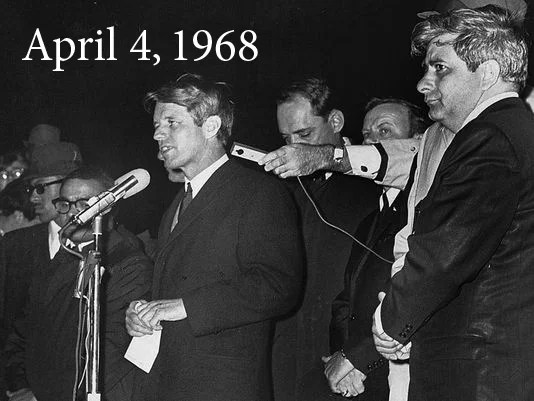
In the same way that Jesus recalled words from scripture that were rooted deep within him in crucial moments in his life, Robert F. Kennedy recalled words from the Greek poet, Aeschylus, on that dark night he announced the assassination of Martin Luther King Jr. to an African American audience in Indianapolis.
Even in our sleep, pain which cannot forget
falls drop by drop upon the heart,
until, in our own despair,
against our will,
comes wisdom
through the awful grace of God.
At the cross, the awful, awesome and amazing grace of God “falls drop by drop upon the heart” as we realize that the sins that nailed Jesus to the cross were and continue to be the sins in our personal lives and the systemic evils that do our sinning for us. At the foot of the cross, we discover that we can be redeemed through the unearned, undeserved, immeasurable forgiveness and grace of God.
Come to the Lynching Tree
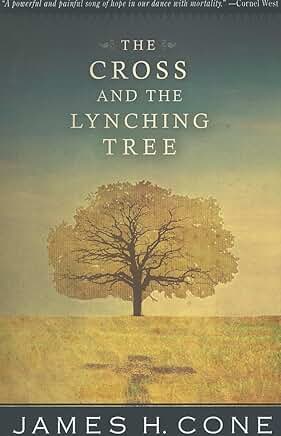
In The Cross and the Lynching Tree, African American theologian, James H. Cone opened my eyes to the direct link between Jesus’ crucifixion and lynching in America.
Dr. Cone asked the disturbing question: “Can one really understand the theological meaning of Jesus on a Roman cross without seeing him first through the image of blacks on the lynching tree?” (Cone, The Cross and the Lynching Tree, 73-75)
Dr. Cone’s question haunted my soul when we visited The National Memorial for Peace and Justice. It bears witness to more than 4,400 African American men, women and children who were hanged, burned alive, shot, drowned or beaten to death by white mobs between 1877 and 1950.
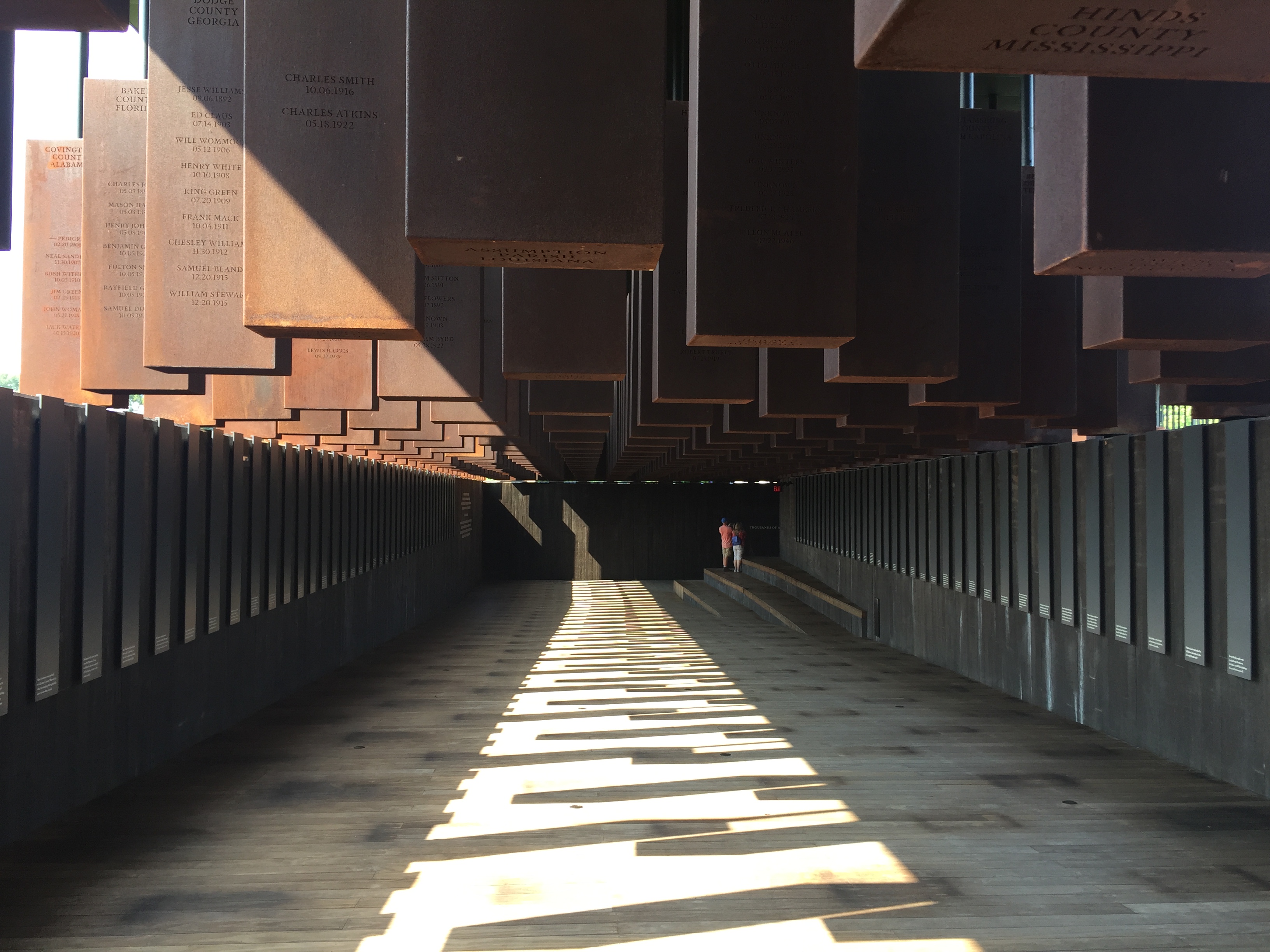
I stood in humbled silence beneath 800 suspended blocks of Corten steel that bear the names of victims in the counties where they were lynched. I found the names of people who were lynched in the Florida counties in which I have lived and served. I remembered the ways I, as a beneficiary of generations of white privilege, carry the inescapable stain of the past into the present. I caught a new glimpse of what happened at Golgotha in light of the horrifying reality of what happened at the lynching trees and which, in its own way, still happens today.
The experience gave me a deeper way of hearing the two times Jesus recalled words from the Psalms while he was on the cross. One is the piercing cry of dereliction; the other is a daring exclamation of confident faith and hope.
The Cry of Dereliction
“Jesus cried out with a loud voice, ‘Eloi, Eloi, lema sabachthani?’ which means, ‘My God, my God, why have you forsaken me?’”
(Mark 15:34)
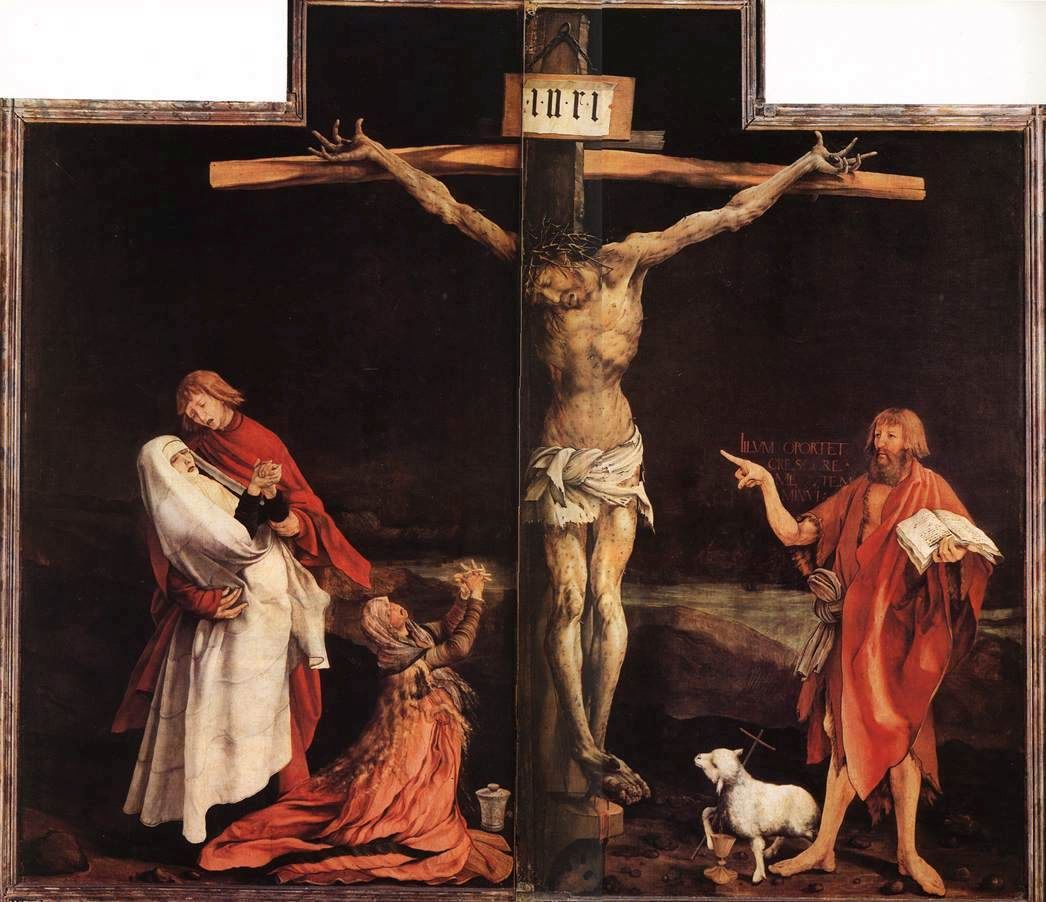
Hanging naked, beaten, and bleeding on a lynching tree, Jesus recalled words that were so deeply imbedded in his mind and heart that he instinctively shrieked them as he drifted in and out of consciousness.
My God! My God,
why have you left me all alone?
Why are you so far from saving me—
so far from my anguished groans?
My God, I cry out during the day,
but you don’t answer. (Psalm 22:1-2)
We are within shouting distance of Golgotha when we come face to face with inexplicable suffering, raging injustice, life-draining loss, and the darkness of death. We are forced to confess the ways we are implicated in the suffering by our sins of omission or commission, by what we have done or left undone. The more deeply we believe in Jesus’ teaching and the more closely we follow his way, the more intensely we feel the apparent absence and unutterable silence of God that reaches its nadir at the cross.
None of our words are enough to explain evil so bold, mystery so deep, suffering so great, and a love so strong. With Charles Wesley we sing in humbled awe, “Amazing love! How can it be that Thou, my God, should die for me?”
Jesus’ ruthlessly honest prayer to the God by whom he felt utterly forsaken sets our bearings on the word of hope Jesus exclaimed in the second psalm he remembered on the cross.
The Shout of Hope
“Crying out in a loud voice, Jesus said, ‘Father, into your hands I entrust my life.’ After he said this, he breathed for the last time.”
(Luke 23:46)
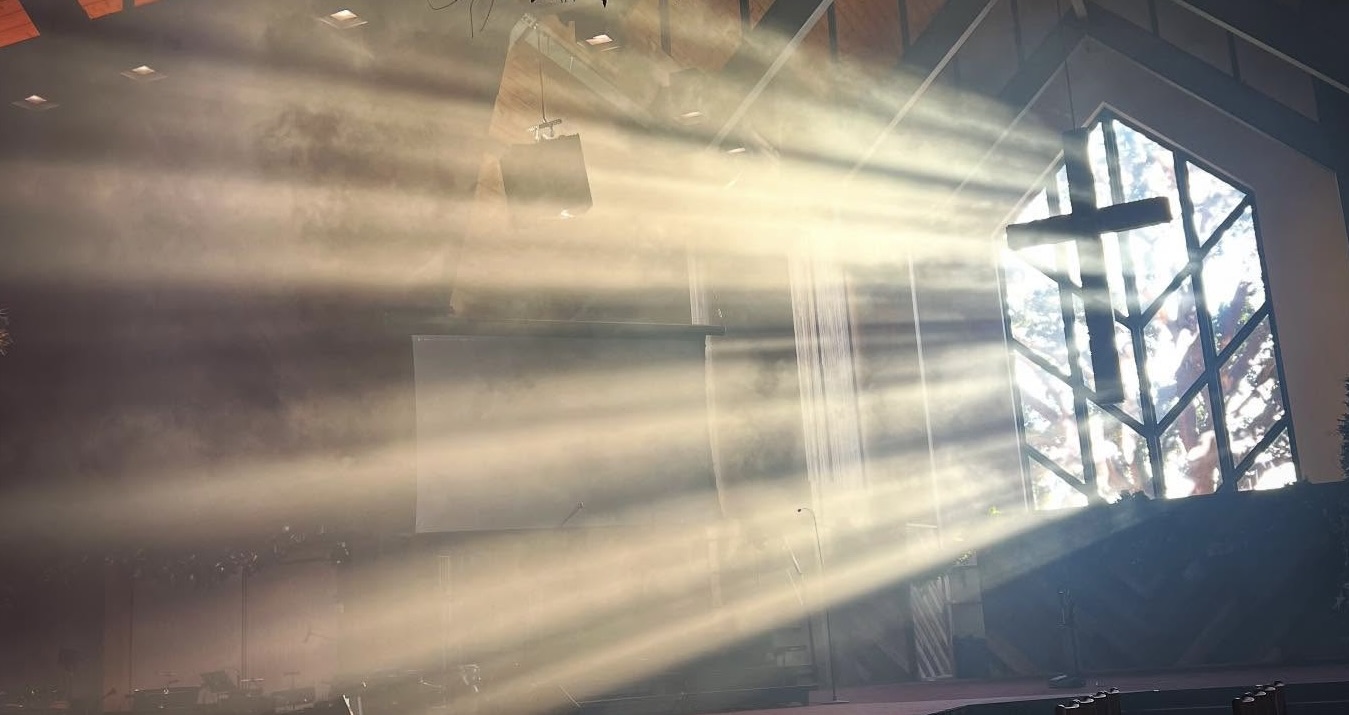
Jesus’ last words are anything but passive resignation in the face of the incomprehensible evil and injustice that both the cross and the lynching tree represent. This is neither a prayer of overly simplistic piety nor of a fatalistic belief that “God has a reason for everything.” Praying this prayer is not an escape into a spirituality that avoids confrontation with evil powers of personal sin, institutional racism, economic greed, nationalistic jingoism or political partisanship. It is not a denial of our complicity in the same sins that nailed Jesus to a Roman cross, the same sins that left black bodies dangling on lynching trees, or the same sins that continue to plague our racial tensions today.
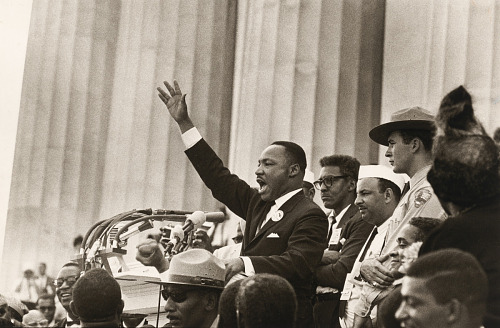
Praying and living this prayer means daring to believe that God is with us in the ultimate paradox of the cross; that in ways we may not see, God is able to bring good out of evil, hope out of despair, and life out of death. Living in the spirit of the Psalmist’s prayer challenges us to believe in what Martin Luther King, Jr., called God’s ability to use unmerited suffering as a “creative force … the power of God unto social and individual salvation.” (James M. Washington, editor, A Testament of Hope: The Essential Writings of Martin Luther King, Jr. San Francisco: Harper & Row, 1986, p. 41-42)
Dr. King’s confidence in the “creative force” of the cross inspires us to engage in essential practices of spiritual discipline, personal growth, and social justice which, when practiced over time, will enable us to “go from strength to strength” (Psalm 87:4) in a growing assurance that the way Jesus walked and the way he calls us to follow is, in fact, the way that leads to the completion of God’s transformation of the kingdoms of this world into the Kingdom of God.
And so, during Holy Week, we will make our way hesitantly, humbly, and hopefully to the cross.
Grace and peace,
Jim
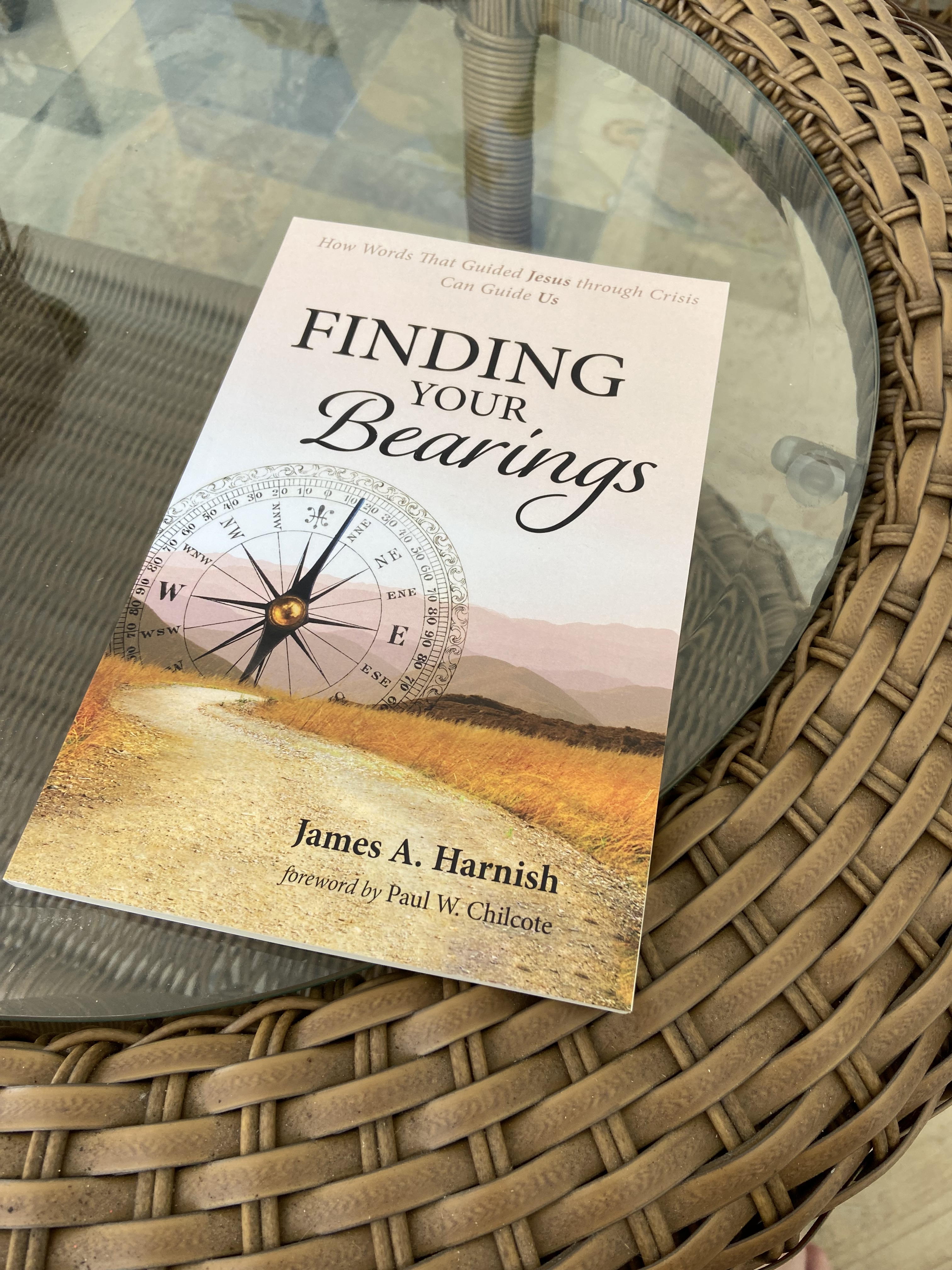
(Adapted from Finding Your Bearings: How Words That Guided Jesus Through Crises Can Guide Us, p. 68-84)
 Jim Harnish
Jim: we continue to be Blessed by your writing. Please keep it up and continue to shine the light in the darkness to help us see, believe and love as Jesus taught us.